Kim…We were all rattled when we started feeling our way around the illness. Owning your PH does require huge emotional, physical, and time investments. You sound like a very strong woman and I am sure you will feel more in control when you get more of your information.
Hang tough. And remember we are all in this together.
September 11 (edited)
Coping with pulmonary hypertension emotionally is a real and important part of managing life with PH. Faith and community can be powerful sources of strength, and you're definitely not alone in leaning on them.
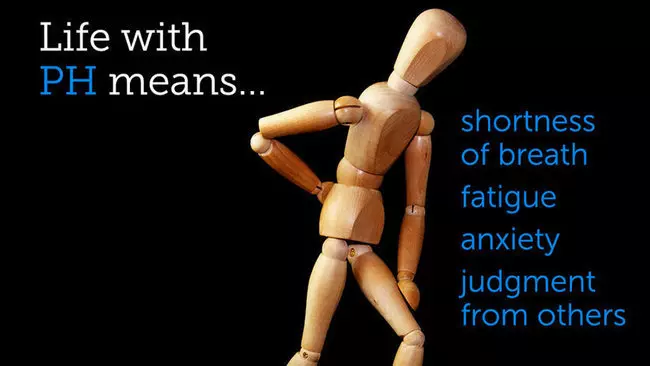
Research shows that up to half of people with PH experience anxiety or depression, so emotional support isn't Show Full Answer
Coping with pulmonary hypertension emotionally is a real and important part of managing life with PH. Faith and community can be powerful sources of strength, and you're definitely not alone in leaning on them.
Research shows that up to half of people with PH experience anxiety or depression, so emotional support isn't just "nice to have" — it's a genuine part of care. Here are some ways faith and community can support emotional wellbeing with PH:
- Prayer and meditation — Many myPHteam members find mindfulness, prayer, or transcendental meditation helpful for managing stress and staying grounded
- Spiritual care — Palliative care teams can include chaplains or religious leaders to support your spiritual needs
- Support groups — Connecting with others who truly understand PH can ease feelings of isolation
- Therapy — A counselor or therapist can help process fear, grief, and the emotional weight of a chronic illness
Positive relationships — whether through faith communities, family, or peer support — are shown to directly improve both mental and physical health outcomes.
Always let your doctor know if you're struggling emotionally, as they can refer you to mental health professionals who specialize in chronic illness.
September 11
No need to apologize, we are all here for you! And always remember Jesus loves you and is here for you too. ❤️🙏🏻🙂
September 11







 Join
Join






 Your Privacy Choices